Guide to Building a Balanced Plate
Building a Balanced Plate for Health and Wellness
Creating a balanced plate is essential for maintaining a healthy diet and lifestyle. A balanced meal provides the nutrients your body needs to function properly, keeps you energized, and supports overall wellness. In this guide, we will explore how to build a balanced plate by incorporating a variety of food groups, focusing on healthy fats, fibers, proteins, and complex carbohydrates.
Understanding the Components
To build a balanced plate, it is important to include different types of foods. Each type offers its unique benefits. Here’s what a balanced plate typically includes:
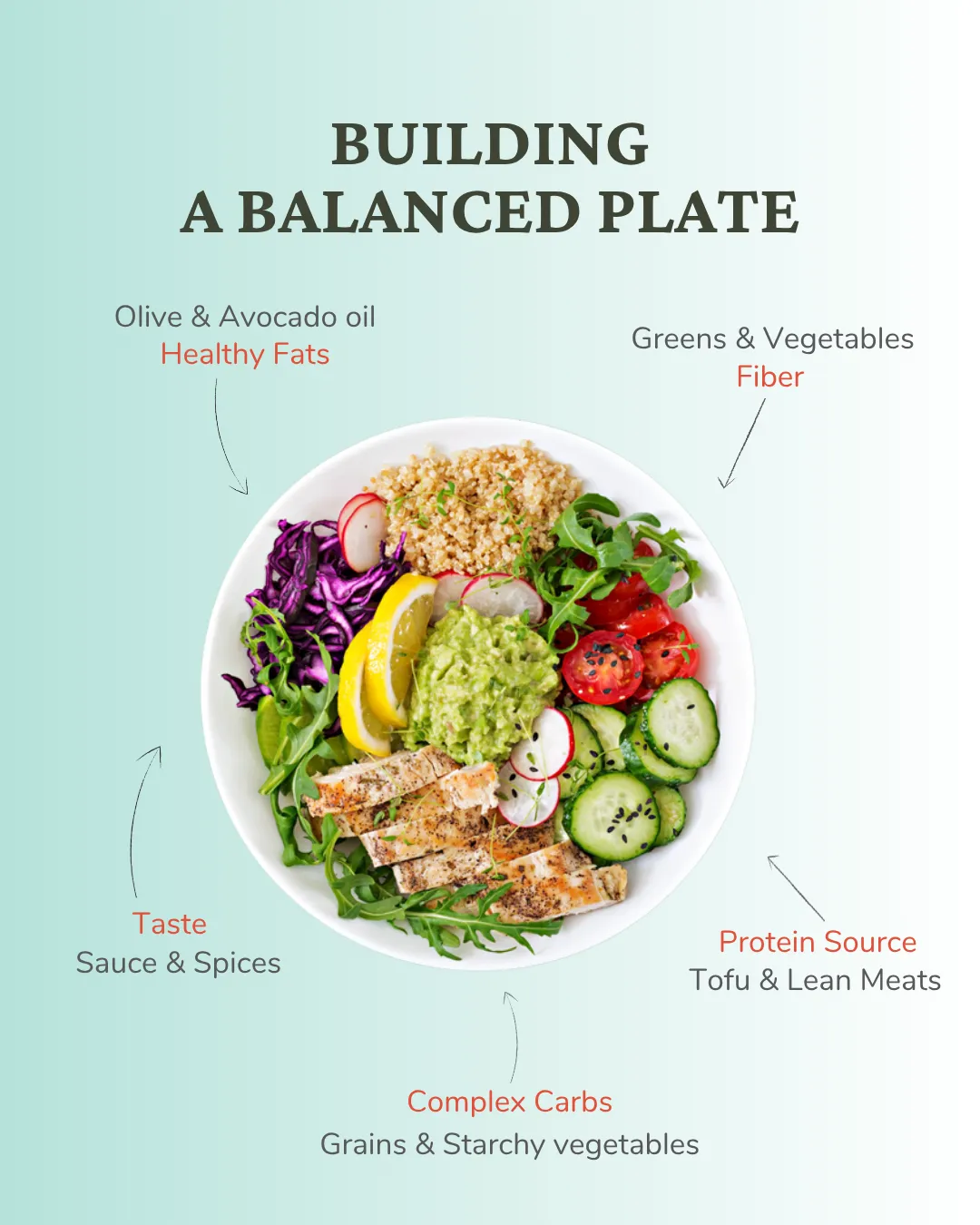
- Healthy Fats: These are vital for brain health and hormone production. Sources include olive oil and avocado oil.
- Fiber: Found in greens and vegetables, fiber aids digestion and keeps you full longer.
- Protein Source: Lean meats like chicken or plant-based options like tofu provide essential amino acids.
- Complex Carbohydrates: Grains and starchy vegetables provide energy and sustain fullness.
- Taste: Using spices and sauces can enhance flavor, making healthy eating enjoyable.
The Importance of Healthy Fats
Healthy fats are crucial to a balanced diet. They support cell growth, protect organs, and provide energy. Incorporating fats like olive and avocado oil can be easily done by drizzling them over salads or cooking with them.
Fiber for Digestion
Fiber keeps the digestive system running smoothly. It is mainly found in vegetables and whole grains. Adding a generous portion of greens like lettuce, spinach, or kale with your meals can boost your fiber intake.
Proteins for Growth
Your plate needs a protein source to build and repair tissues. Proteins are the building blocks of muscles, organs, and other tissues. Options like grilled chicken or tofu are excellent choices.
Complex Carbs for Energy
Complex carbohydrates are necessary for energy. They are slowly digested, preventing blood sugar spikes. Whole grains such as quinoa or brown rice are great options to include on your plate.
Enhancing with Taste
Don't forget about taste. The right spices and sauces can make meals more appealing. Try adding lemon juice, herbs, or spices to elevate the flavor profile of your meal.
Putting it All Together
When assembling your plate, remember this simple proportion to ensure balance:
- Fill half of your plate with vegetables and fruits to ensure sufficient fiber and nutrients.
- Add a quarter of protein, choosing either plant-based or lean animal proteins.
- Include a quarter of whole grains or starchy vegetables for sustained energy.
- Finish it with a drizzle of healthy fats and a sprinkle of your favorite spices or a splash of sauce.
Final Thoughts
Building a balanced plate doesn't have to be complicated. By including a mix of healthy fats, fibers, proteins, and carbohydrates, you can create nutritious meals that support your health goals. Remember, balance is key, and with the right combinations, you can enjoy delicious and wholesome meals every day.
